Search:

EposNow’s Journey to Modernize Database Systems on AWS

eposnow-image

About EposNow

EposNow is a global provider of cloud-based POS (Point of Sale) and business management solutions for the retail and hospitality sectors. As the company grew its operations, its Microsoft SQL Server-based database system began to strain under increasing customer demand and data volume, highlighting the need for a modern, scalable architecture.

Problem

As EposNow scaled its operations, reliance on SQL Server presented several critical challenges:

- Performance Bottlenecks: During peak business periods, the system frequently struggled to handle increasing transaction volumes, impacting operational efficiency and customer satisfaction.

- High Licensing Costs: The high licensing costs of SQL Server placed a heavy financial burden on the company, creating pressure to find a more cost-effective solution.

- Scalability Limitations: The existing infrastructure could not seamlessly scale to support EposNow's long-term growth strategy.

These limitations underscored the urgent need for modernization. EposNow decided to transition to PostgreSQL, an open-source solution better suited to support long-term growth.

Client: EposNow

Project type: A Database Modernization

Website:  eposnow.com

Solution

EposNow partnered with Kloia, an AWS Premier Consulting Partner with AWS Competencies in DevOps and Microsoft Workloads ,  to lead the database modernization. The engagement followed a structured, phased approach:

1. Initial Assessment & Strategy: Kloia conducted a comprehensive analysis of EposNow's SQL Server database schema using the AWS Schema Conversion Tool (SCT) and outlined a tailored modernization roadmap covering:
- Database Schema Analysis
- Cloud Architecture Design
- Dual Database Operation and Incremental Migration Strategy
- Data Migration Strategy
- Performance Optimization

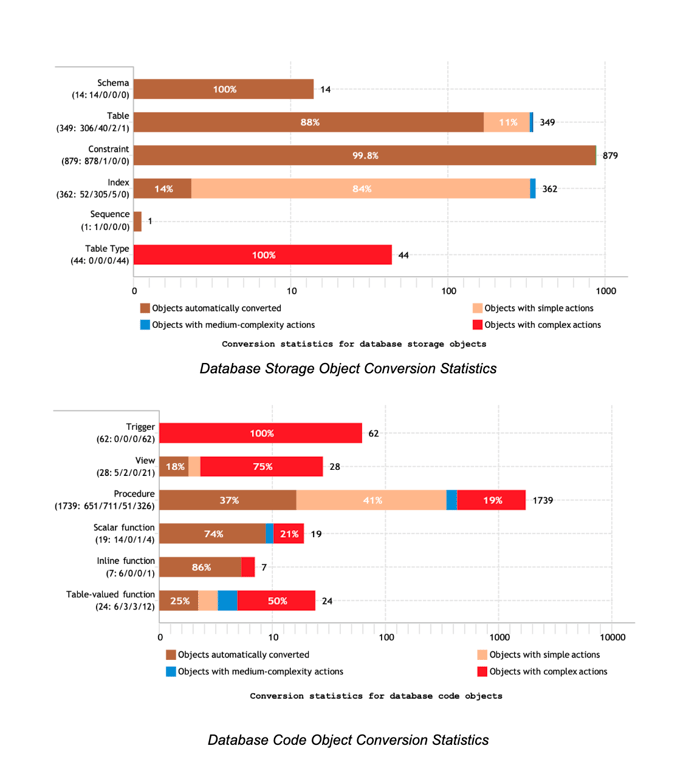
2. Database Schema Analysis: The SCT analysis revealed that 97% of the 1,649 database storage objects and 74% of the 1,879 database code objects could be automatically converted to Aurora/RDS with minimal changes. The remaining 3% of storage objects and 26% of code objects (primarily stored procedures) required medium to complex manual actions.

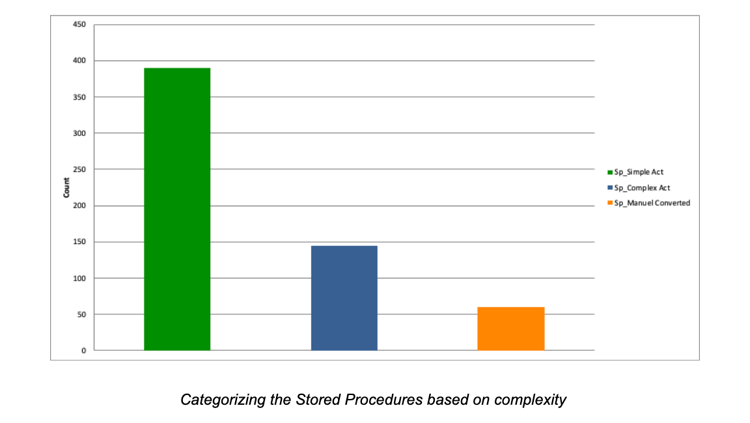
We have categorized the stored procedures into 3 subcategories: Complex, Simple and Manual:
Categorizing-the-store-procedures-based
Stored procedures were categorized into three groups:

- Simple SPs, Converted automatically using Kloia's open-source SP2code tool, or moved to .NET application level.

- Complex SPs, Manually rewritten in .NET to ensure full compatibility with the PostgreSQL environment.

- Manual SPs, Handled individually due to unique complexity.
Database code

3. Cloud Architecture Design: Kloia designed a cloud-native architecture leveraging Amazon Aurora for PostgreSQL as the managed database service, featuring automated backups, multi-AZ deployment for high availability, and seamless integration with EposNow's existing applications.

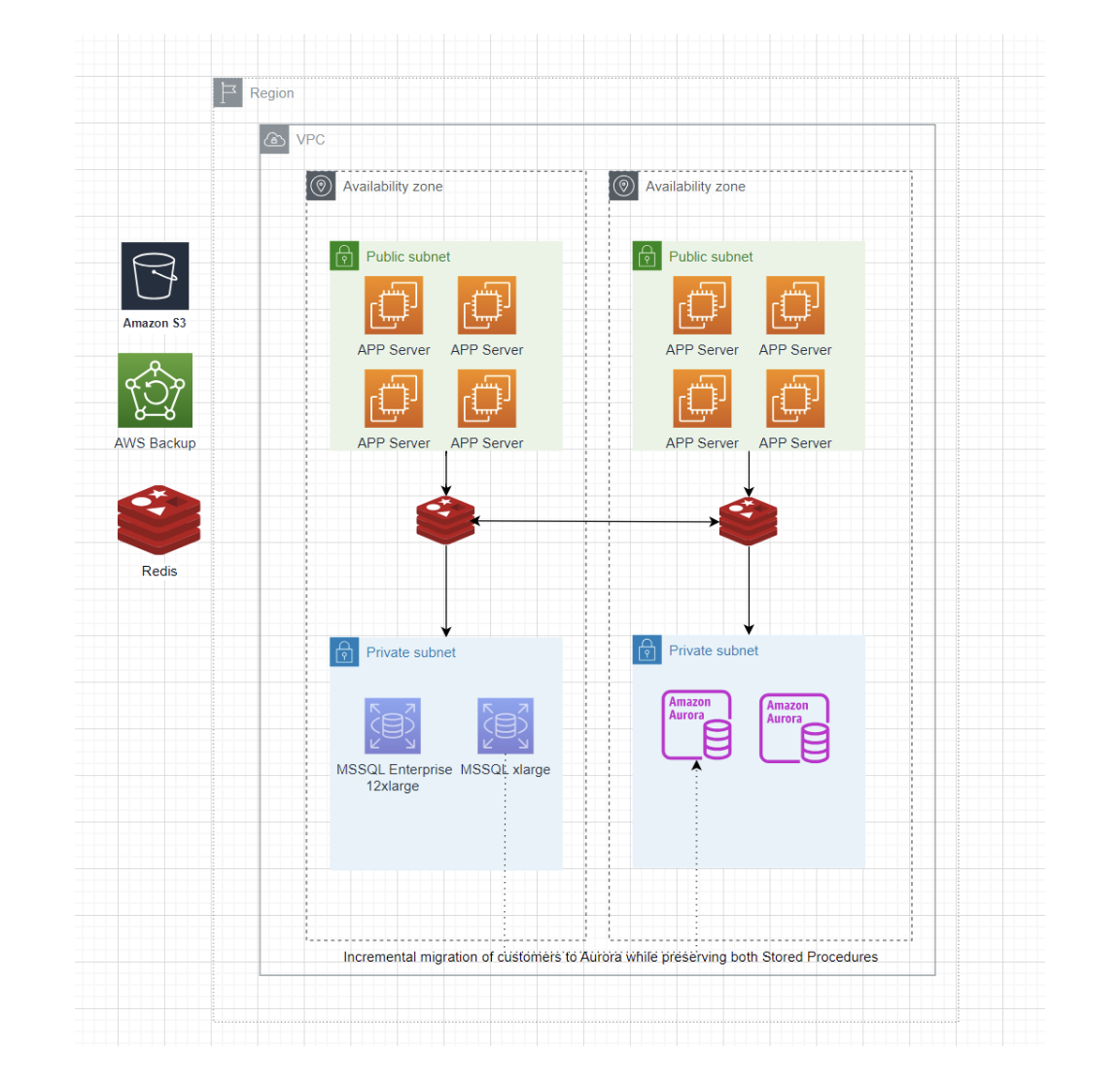
4. Zero-Downtime Migration Strategy: To meet strict business continuity requirements, Kloia employed a parallel run (Strangler-Fig) strategy:

- The legacy SQL Server and the new Aurora PostgreSQL database ran in parallel simultaneously.

- A decision layer at the application level (powered by Redis caching) routed each tenant's queries to the appropriate database.

-Migration proceeded incrementally, one tenant at a time, minimizing risk and avoiding downtime.

- AWS Database Migration Service (DMS) enabled continuous real-time data replication from SQL Server to PostgreSQL throughout the transition.

5. Performance Optimization: After migration, kloia optimized the PostgreSQL environment by fine-tuning complex queries, implementing caching strategies, and configuring real-time monitoring via Amazon CloudWatch to ensure system reliability and responsiveness.


aws-eposnow-case-study-schema
eposnow-results

Results

The successful database modernization delivered measurable improvements across scalability, cost, and performance:

Scalability: EposNow can now scale database infrastructure seamlessly with business growth, handling increased workloads without performance degradation.

Cost-Effectiveness: Eliminating SQL Server licensing fees and adopting AWS managed services significantly reduced operational expenses.

Improved Performance: Query performance enhancements resulted in faster transaction processing and a more responsive system for end users.

Future-Proofing: The modernized architecture positions EposNow to rapidly adopt new technologies and expand service offerings in an evolving market.

Zero Downtime: The parallel run migration strategy ensured no disruption to live operations throughout the transition.

Some of our results:

  • 40%
    Reduction in operational costs
  • 74%
    Code objects auto-converted

Modernize Your .NET Applications on AWS

If you have .NET Framework applications running on Windows Server, contact kloia for an assessment to modernize your workloads into cloud-native applications on AWS. for an assessment on modernizing your existing workloads into cloud-native applications on AWS.

premier_partner_badge

Contact